
Mission Springs Water District Announces Board Reorganization
Mission Springs Water District is pleased to announce the reorganization of its Board of Directors for the new year. Director Amber Duff has been elected as President, and Director Robert Griffith will continue serving as Vice President. This leadership transition reflects MSWD’s ongoing commitment to strong governance and community-focused service.
“It’s an honor to serve as Board President,” said Duff. “This year our focus is clear: safeguard our groundwater, invest in resilient infrastructure, and strengthen transparency and community engagement so every customer can count on safe, affordable water—today and for generations to come.”
In addition to the officer appointments, the Board has reassigned its committee postings for 2026 as follows:
2026 Committee Assignments
| Committee | Chairperson | Member |
| Executive | Duff | Griffith |
| Engineering | Mayrhofen | Martin |
| Finance | Sewell | Mayrhofen |
| Human Relations | Martin | Duff |
| Public Affairs | Griffith | Sewell |
President Duff was elected to the MSWD Board in November 2022 and represents Division 1. With over 25 years of experience in administrative and management roles across legal and healthcare industries, she has overseen complex operations including multi-million-dollar mergers and the launch of cancer treatment centers. Currently a payroll administrator for a manufacturing business, Duff also revitalized a 40-year family-run business, adapting it to modern environmental and social media demands. She holds certifications in medical billing, OSHA compliance, radiological safety, and patient privacy. A Desert Hot Springs resident, she is deeply involved in community service, from distributing homeless hygiene packs to volunteering with youth and senior organizations.
Vice President Griffith was appointed to the MSWD Board in September 2022 and then elected to the Board in 2024 representing Division 2. A longtime Desert Hot Springs resident, he brings extensive leadership experience, having served as a City Councilmember, Mayor Pro Tem, and Planning Commission Chair. He also led the DHS Hotelier’s Association and most recently served as the President of the DHS Historical Society, spearheading efforts to restore and open the famous DHS “Historic Rock House” to the public. Professionally, Griffith is the Operations Director at Azure Palm Hot Springs Resort and Day Spa Oasis, with a strong background in retail, financial services, and hospitality. He earned a Bachelor of Science in Global Business Management from the University of Phoenix and has been recognized with an Oasis Award for excellence in hospitality. His volunteer work includes supporting local arts, libraries, and animal rescue organizations.
Yuba Water Agency Announces 25-year Extension of the Landmark Lower Yuba River Accord
Today, the State Water Resources Control Board unanimously adopted an order extending its approval of the landmark Lower Yuba River Accord for another 25 years. Specifically, the board approved Yuba Water Agency’s petition for a long-term extension of the points of diversion and places of use associated with the Lower Yuba River Accord through 2050. Since the mid-2000s, the Yuba Accord has advanced a broad suite of important benefits:- For the environment, the Accord establishes science-based minimum instream flows to protect spring-run Chinook salmon and steelhead trout, using a flexible framework that adjusts based on annual hydrology.
- For Californians, the Accord provides a reliable source of water available to improve statewide water supplies, especially in dry years.
- In Yuba County, the Accord integrates surface water and groundwater management, ensuring a reliable source of supply to ensure local agricultural needs can be met, while also maintaining hydropower production needed to support Yuba Water’s primary mission of flood risk reduction.
Laura Freese Appointed Board President
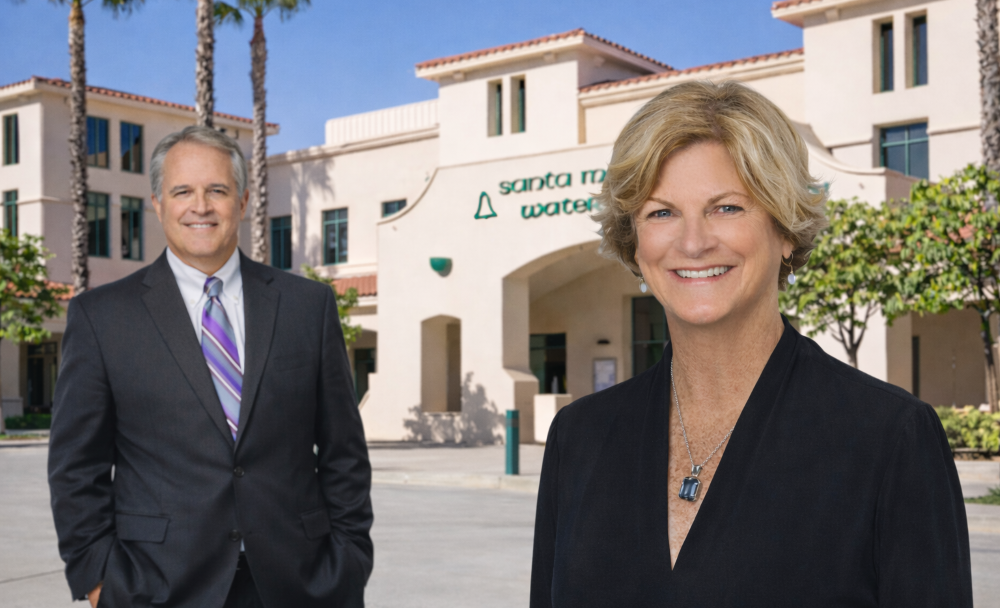
The SMWD Board of Directors appointed Laura Freese as Board President, continuing her leadership in guiding the District’s priorities and long-term planning.
Freese brings a strong record of public service and water-sector leadership, including her tenure on the San Juan Capistrano City Council. As Board President, she will help lead policy direction, support long-term infrastructure investment, and champion transparency and accountability on behalf of SMWD customers. Frank Ury continues his service on the Board and was appointed Vice President. He brings extensive experience in governance, technology operations, and business development, with a focus on strengthening infrastructure and advancing effective operational and IT strategies. Learn more about Santa Margarita Water District at SMWD.com/News.Barcellos Appointed to USDA Committee
WASHINGTON, D.C. — The U.S. Department of Agriculture’s Farm Service Agency has appointed Tom Barcellos, President of the Lower Tule River Irrigation District, as Chair of the California USDA Farm Service Agency (FSA) state committee, according to a USDA news release.
Barcellos, from Porterville, was among five agricultural leaders appointed to the FSA state committee by USDA Secretary of Agriculture Brooke L. Rollins. He’s a member of ACWA’s Region 7 Board of Directors , owns diversified crop and dairy enterprises and has held multiple leadership roles on numerous agricultural boards.
Members of the FSA state committee are appointed by U.S. Secretary of Agriculture Brooke L. Rollins and are responsible for the oversight of farm programs and county committee operations, resolving program delivery appeals from the agriculture community, maintaining cooperative relations with industry stakeholders and keeping producers informed about current FSA programs.
Learn more at fsa.usda.gov.
ACWA-Supported Federal Infrastructure Legislation Introduced
WASHINGTON D.C. — ACWA is among more than a dozen organizations within a coalition supporting the recently introduced Water Infrastructure Resilience and Sustainability Act (S. 3590).
The bill seeks to reauthorize three critical water infrastructure grant programs at the U.S. Environmental Protection Agency (EPA). If passed and signed into law, the act would reauthorize a suite of programs established by Congress to ensure the nation’s drinking water, wastewater and stormwater infrastructure is resilient in the face of threats ranging from natural disasters to extreme weather and cybersecurity concerns.
Previously authorized funding addressing these threats is set to expire following the 2026 fiscal year. The legislation was introduced by U.S. Senators Lisa Blunt Rochester (D-DE) and John Curtis (R-UT). An identical bill, also supported by ACWA, was introduced in the House last September.
“Under S.3590, drinking water and wastewater systems will be encouraged to utilize innovative infrastructure approaches that can serve as models for other communities struggling with similar challenges,” reads a coalition letter. “These programs urge communities across the country to build resilience into their infrastructure today to ensure uninterrupted water service for decades to come.”
January 2026 ACWA News Available
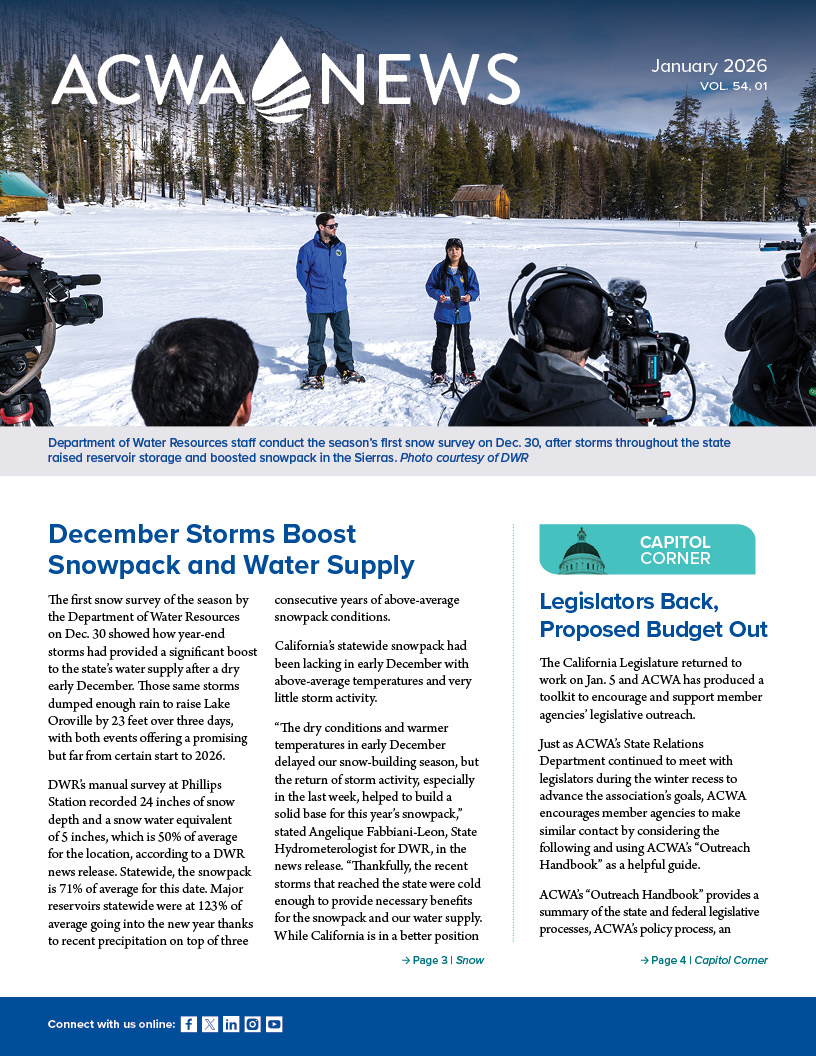 Read the January edition of ACWA News for informative articles about the association and water industry.
Articles include:
- ACWA President Discusses Strategic Plan Goals for 2026 and Beyond
- Capitol Corner Highlights Tools for Outreach, Newsom’s Proposed Budget
- ACWA Committee Leadership Listed for New Term
- Case Study Details Water District, Community Collaboration Behind Bioswale
Brian Probolsky Named President of Moulton Niguel Water District
Moulton Niguel Water District has tapped Brian Probolsky to serve as Board President.
During its Jan. 8th meeting, the Board of Directors unanimously selected the accomplished public sector executive to lead the organization and also chose Diane Rifkin and Richard S. Fiore to serve as Board Vice-Presidents.
“Brian Probolsky is an exceptional leader who always puts our customers first,” said Moulton Niguel Board Vice-President Diane Rifkin.
Probolsky is an accomplished public sector executive with a track record of fiscal and operational success at the District. During his previous tenure as Board President, he led the agency through the COVID-19 pandemic and oversaw critical infrastructure projects, including the $8.3 million Oso Parkway micro-tunnel pipeline replacement in Mission Viejo.
Under Probolsky’s leadership, the District has achieved significant milestones, including:
- Fiscal Responsibility: Maintained AAA-credit ratings from Fitch Ratings and S&P Global.
- Technological Innovation: Launched the “Leak Alert” program and full-scale smart meter system integration.
- Industry Recognition: Named the No. 1 Top Workplace in Orange County by the OC Register and received the Technology Innovation Award from Government Technology.
“Moulton Niguel is committed to providing our customers in South Orange County with safe and reliable service,” Probolsky said. “Together, with the help of Vice Presidents Rifkin and Fiore and our entire Board of Directors, we are strengthening our emergency preparedness, diversifying our local water supply, and building a best-in-class water, wastewater and recycled water infrastructure network.”
Moulton Niguel Water District delivers high-quality drinking water, recycled water, and wastewater services to customers in Laguna Niguel, Aliso Viejo, Mission Viejo, Laguna Hills, Dana Point, and San Juan Capistrano. A leader in water conservation and environmental protection, Moulton Niguel maintains the lowest average water bill in South Orange County.
###
Francisco X. Rivera Elected as Otay Water District Board President for 2026
SPRING VALLEY – At its January meeting, the Otay Water District board of directors elected Francisco X. Rivera as president for 2026. Rivera represents division one. The board also elected board member Mark Robak (division five) as vice president and Delfina Gonzalez (division two) as treasurer.
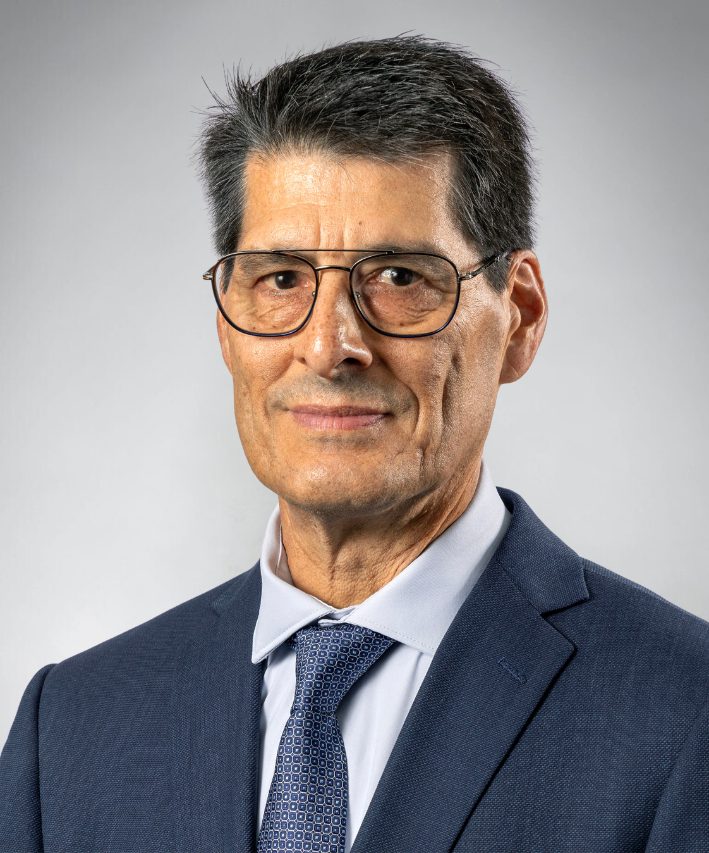
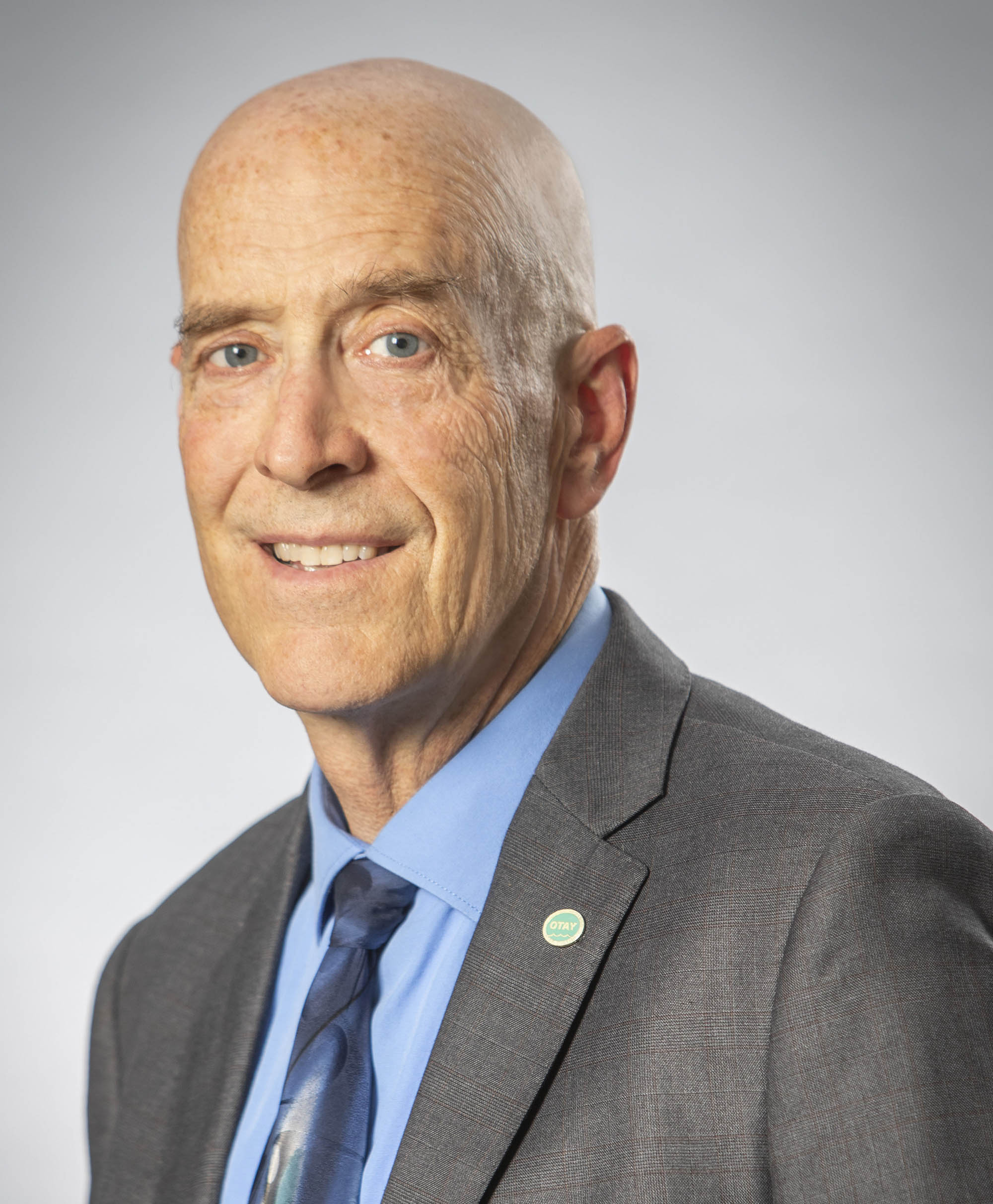

Pictured above (L-R): Francisco X. Rivera, President, Division 1; Mark Robak, Vice President, Division 5; Delfina Gonzalez, Treasurer, Division 2
Rivera will serve as president through the end of the calendar year. Rivera was appointed to the District Board of Directors in September 2024 to fill the division one vacancy through December 2026. In 2025, he served as the board treasurer and chair of several committees, including Engineering, Operations, and Water Resources; the Ad Hoc Salt Creek Golf Course Lease and Property Disposition; and the Ad Hoc Employee Negotiations. He also served on the Desalination Project and the Recycled Water Agreement Ad Hoc committees. In addition, Rivera represented the District on the Chula Vista Interagency, Otay Water District and Sweetwater Authority Task Force to Develop Recycled Water Opportunities, San Diego Area Wastewater Management District, and the WateReuse Association. He also serves as the District’s representative for the San Diego County Water Authority Board of Directors.
“It is an honor to be elected board president,” said President Rivera. “I look forward to working with our board to support fiscal responsibility, reliable infrastructure, and transparent governance on behalf of the District and its customers.”
Rivera, a licensed civil engineer and traffic engineer, brings more than three decades of public-sector engineering, transportation, and infrastructure leadership to the District. He retired in 2023 after almost 40 years with the City of Chula Vista, where he served as a principal civil engineer and city traffic engineer. During his tenure, he led major land development, transportation, wastewater, and capital improvement programs and managed large-scale regional infrastructure projects.
Beyond the District, Rivera serves on the San Diego Association of Governments Independent Taxpayer Oversight Committee, which oversees the expenditure of TransNet funds—the countywide half-cent transportation sales tax generating approximately $425 million annually. He was unanimously reappointed to a four-year term through May 2030 and serves as chair for fiscal year 2026, following a term as vice chair.
Rivera is also active in regional and community service. His past and current roles include the City of Chula Vista Measure A Public Safety Sales Tax Citizens’ Oversight Committee, the Salvation Army South County Advisory Board, vice president of the Eastlake III Homeowners Association, and chair of the Eastlake III HOA’s Architectural Review Committee. His professional achievements have been recognized with numerous awards, including the American Public Works Association Outstanding Service in a Public Agency Award, as well as honors from the City of Chula Vista and the San Diego County Bike Coalition.
Rivera holds a Bachelor of Science degree in civil engineering from the United States International University. During his free time, he enjoys traveling the world, riding his mountain and road bikes locally, and volunteers each March as a bike marshal at the San Diego Half Marathon.
Under Rivera’s leadership, the District will continue to fulfill its mission of providing exceptional water and wastewater service to its customers and managing the District’s resources in a transparent and fiscally responsible manner.
The five-member board of directors is the governing body of the District and is responsible for setting rates for service, taxes, policies, ordinances, adopting the annual budget and other matters related to the management and operation of the water agency. Each director is elected by voters within one of five divisions to represent the public’s interest on the Board. Directors serve four-year terms in office.
The Otay Water District is a public agency providing water, recycled water, and sewer service to approximately 242,155 customers within approximately 125 square miles of southeastern San Diego County, including the communities of eastern Chula Vista, Bonita, Jamul, Spring Valley, Rancho San Diego, unincorporated areas of El Cajon and La Mesa, and east Otay Mesa along the international border with Mexico. For more information about the Otay Water District, visit otaywater.gov.
Otay Water District’s Social Media Accounts:
- twitter.com/OtayWater
- instagram.com/OtayWater
- facebook.com/OtayWaterDistrict
- youtube.com/OtayWaterDistrict
- linkedin.com/company/otay-water-district
- nextdoor.com/pages/otay-water-district
Collaboration Creates Multi-Beneficial Bioswale Project
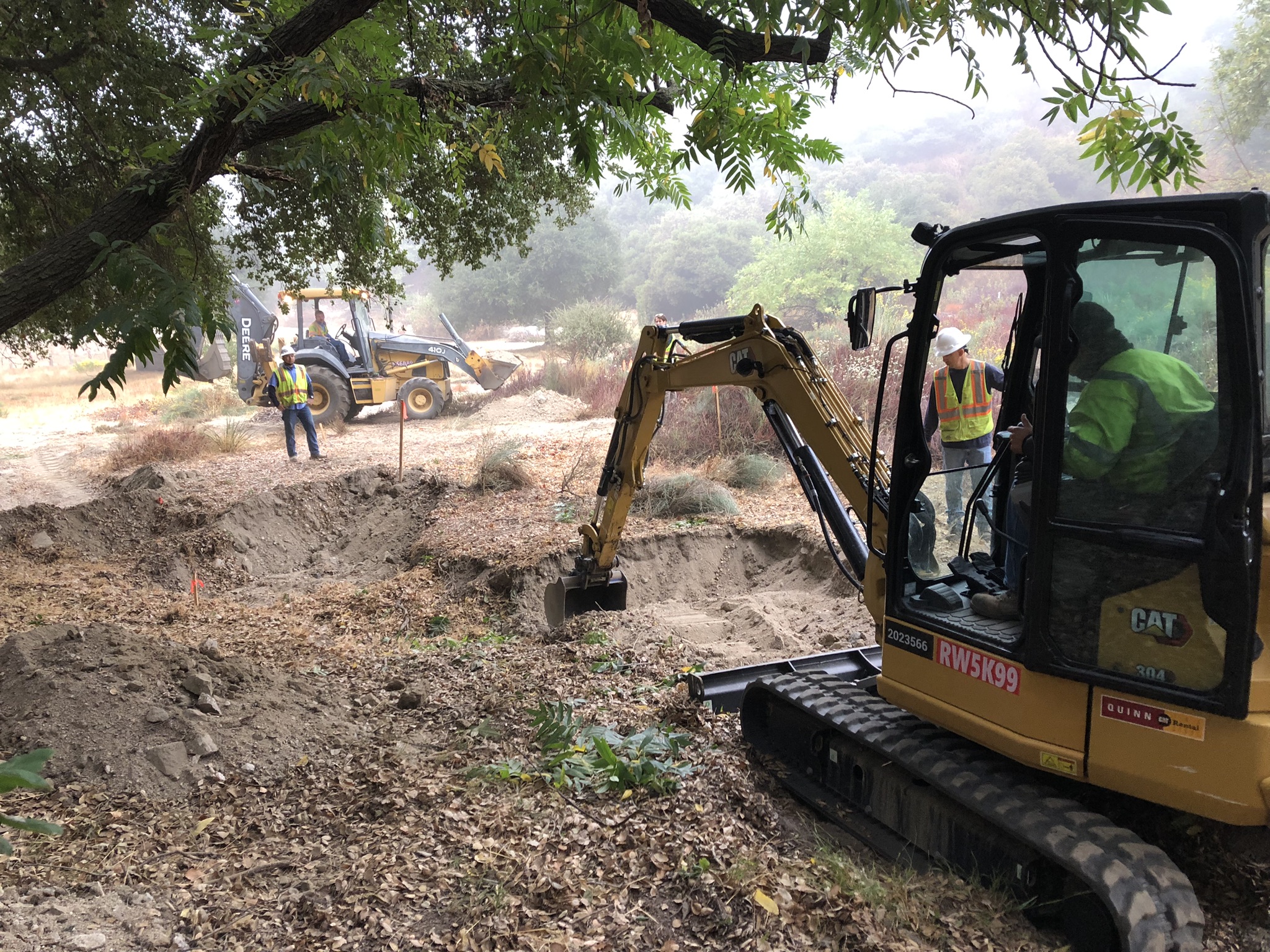
Photo courtesy of CVWD
A broad collaboration between a Region 8 ACWA member agency and conservation groups overcame regulatory barriers to create a stormwater capture project — a bioswale that captures stormwater, recharges a local aquifer and benefits wildlife and local education all at the same time.
Completed in late 2024, the bioswale came about through a partnership among the Crescenta Valley Water District (CVWD), Los Angeles County Flood Control District, Arroyos & Foothills Conservancy and its affiliated Friends of Rosemont Preserve advisory committee. The project itself is simple: a 3-foot-deep, 600-square-foot depression landscaped with plants native to the preserve. It works by slowing and capturing stormwater flowing out of a canyon watershed in the Rosemont Preserve, part of the western foothills of the Angeles National Forest. Stormwater absorbs into the naturally porous soils and recharges an aquifer that provides roughly half of the Crescenta Valley’s drinking water.
The project represents out-of-box thinking to overcome all-too-common barriers to such projects such as thorny water rights, numerous permits, costly construction, and other costs and delays.
It wasn’t necessarily easy, said CVWD General Manager James Lee.
“Ultimately, we were just trying to dig a hole in the ground,” Lee said. “We had completed a feasibility study, developed designs, pivoted projects to circumvent water rights issues, applied for and received a permit — think we were done — then learn that we’d need still other permits, one of which would take several more years,” Lee said. “At a certain point, we looked at each other and determined that we would somehow find a way to complete the common-sense project within reasonable time and cost.”
Partners were identified, and the partnership generated momentum that pushed past regulatory and challenges. The collaborative effort secured support from nonprofits and other local governments, namely the city of Glendale and communities such as La Crescenta, along with Los Angeles County. Without that buy-in, the bioswale project could have foundered during a years-long bureaucratic process.
Once all the permits and approvals were in place, the actual work creating the bioswale took place over a weekend through the work of volunteers. CVWD provided a couple of backhoes, turning the work into a staff training opportunity on heavy equipment operation.
The bioswale is now part of enhancements to the nature preserve that draw school field trips from across the region and is joined by other projects, including a gate to a trail designed by local tribe members. Heavy rains dousing Southern California in December put the project to the test.
“It worked great, just as designed, and it’s been exciting to watch,” said Frank Colcord, a volunteer and Co-Chair at the Friends of Rosemont Preserve and a Board Director at nearby Foothill Municipal Water District.
It also adds wildlife habitat, serving as a watering hole for deer, mountain lions and fox.
“Pretty much everything that lives in Southern California comes through here,” Colcord said, about its benefits to local wildlife species.
As for enhancing water supplies, the bioswale might add an extra five to 15-acre-feet of aquifer recharge a year. But that’s not really the point, Lee said.
“Is that a huge amount of water? Absolutely not,” Lee said. “It’s definitely a symbolic project. We’re an Anytown USA Water District, and the primary value of this project is to demonstrate to ourselves and others that we can pursue timely and real results with imagination and collaborative work. It’s a vision that produced a success, and it all comes down to making friends and forming partnerships.”
Crescenta Valley has subsequently planned for similar short and longer-term projects, including through DROPS (Data-Driven Resource Optimization and Planning System), a collaboration between Foothill Municipal Water District, Glendale Water & Power, Pasadena Water & Power, the California Data Collaborative and Crescenta Valley. It is an initiative that prioritizes future stormwater projects using satellite data to identify more pervious soils and is funded by Metropolitan Water District of Southern California’s Future Supply Actions grant.