
Sonoma Water GM Grant Davis Announces Retirement
SANTA ROSA – Sonoma Water General Manager Grant Davis announced today that he will retire Aug. 25, 2026, after nearly 20 years with the agency, including the past 16 years as general manager.
Since joining Sonoma Water in 2007, Davis led the agency through a period of innovation and infrastructure investment while strengthening water supply reliability, environmental stewardship and wastewater services across Sonoma County. Under his leadership, Sonoma Water provided naturally filtered drinking water to more than 600,000 residents in Sonoma and Marin counties, maintained nearly 100 miles of streams and detention basins for flood protection and built one of California’s leading watershed restoration programs to benefit federally listed salmon and steelhead.
“Serving as Sonoma Water’s general manager has been the honor of my career,” Davis said. “I was fortunate to work alongside incredibly talented and dedicated people whose commitment to public service made every accomplishment possible. Sonoma Water is an extraordinary organization because of its people, and I am deeply grateful to the Board of Directors for their trust and support throughout my tenure.”
Sonoma Water Board Chair Rebecca Hermosillo praised Davis’ leadership and commitment to public service.
“Grant’s leadership strengthened Sonoma Water and established our agency as one with an exemplary reputation in water management and innovation,” Hermosillo said. “He built lasting partnerships, championed environmental stewardship and guided investments that will benefit our communities for generations. On behalf of the Sonoma Water Board of Directors, I thank Grant for his extraordinary service and wish him the very best in retirement.”
During Davis’ tenure, Sonoma Water created one of the nation’s first carbon-free water transmission systems by investing in renewable energy. The agency also helped establish the North Coast Resource Partnership, North Bay Water Reuse Authority and San Francisco Bay Area Integrated Regional Water Management Program, strengthening regional cooperation on water supply, water quality and climate resilience.
Davis also led Sonoma Water through several of the agency’s most significant accomplishments. Sonoma Water brought together regional, state, federal and tribal partners to advance the Two-Basin Solution for the Potter Valley Project, completed major habitat restoration along Dry Creek, updated the Lake Mendocino Water Control Manual to implement Forecast-Informed Reservoir Operations, completed a new Bay Area weather radar network to improve atmospheric river forecasting and helped secure a $47.8 million state grant for critical wastewater improvements in the Russian River County Sanitation District.
Before joining Sonoma Water, Davis served as executive director of The Bay Institute, a science-based nonprofit dedicated to protecting the San Francisco Bay-Delta watershed. Earlier in his career, he worked for three members of Congress, a California state senator and an Assembly member. He also served as director of the California Department of Water Resources under Gov. Jerry Brown.
In his retirement letter to the Sonoma Water Board of Directors, Davis reflected on the agency’s culture of innovation.
“As a Board, you allowed us to innovate. You supported us in taking bold, informed risks,” Davis wrote. “It has been a wonderful ride. Thank you.”
TUD Hosts Ceremony for the Sierra Pines Regional Water Treatment Facility
Tuolumne Utilities District held a groundbreaking ceremony for the Sierra Pines Regional Water Treatment Facility on June 26th at the project site in Twain Harte, marking a major milestone for the District and the community.
The well-attended ceremony brought together District leadership, project and funding partners, legislative staff from state and federal partners, Tribal partners, and community representatives to celebrate the transition from years of planning and funding into active construction.
The Sierra Pines facility represents a significant investment in the region’s water infrastructure. Once complete, it will consolidate multiple aging treatment plants into a single, modern facility—improving water quality, strengthening system reliability, increasing operational efficiency, and enhancing resilience during droughts and emergencies.
This $45.6 million project is being funded through a partnership with the State of California, including grant funding and zero- and low-interest loans administered through the State Water Resources Control Board.
The groundbreaking marks the start of construction on what will be a long-term investment in reliable, high-quality water service for TUD customers for decades to come.
June 2026 ACWA News Available
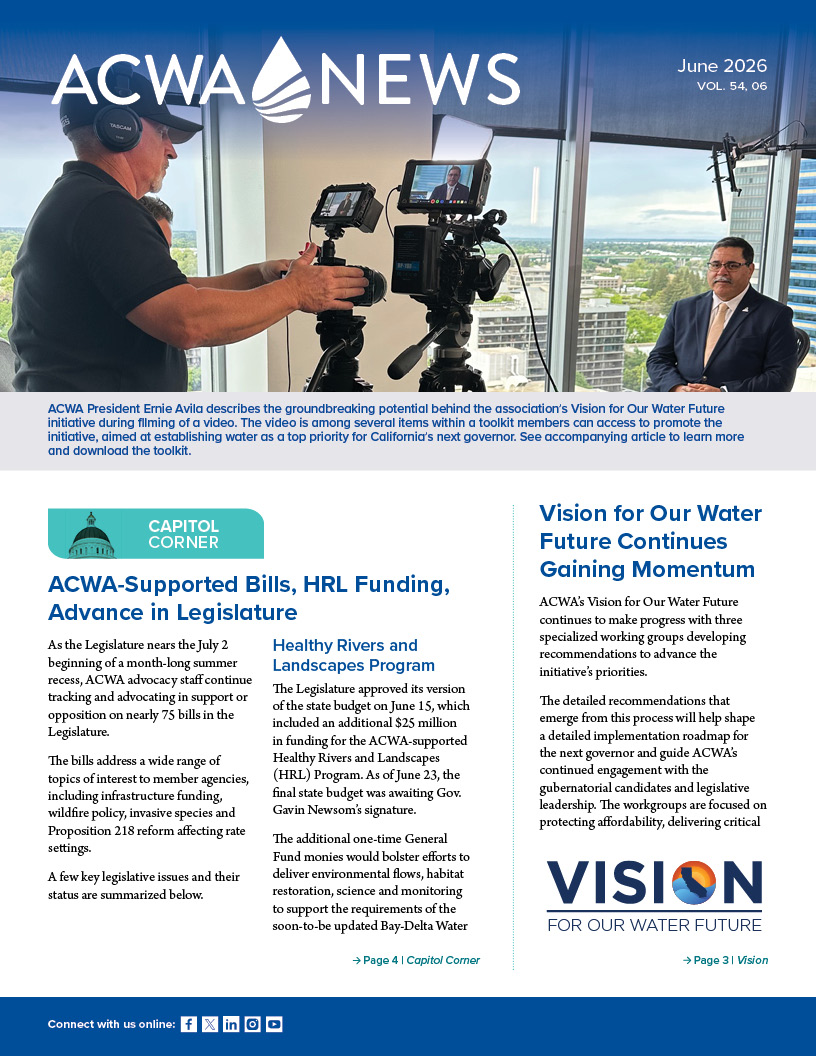 Read the June edition of ACWA News for informative articles about the association and water industry.
Articles include:
- Vision for Our Water Future Continues Gaining Momentum
- President’s Column: Investing in Water is Investing in California
- CV-SALTS Effort Tackling Nitrate in Central Valley
- ACWA-Supported Bills Advance in Legislature
CV-SALTS Effort Tackling Nitrate in Central Valley
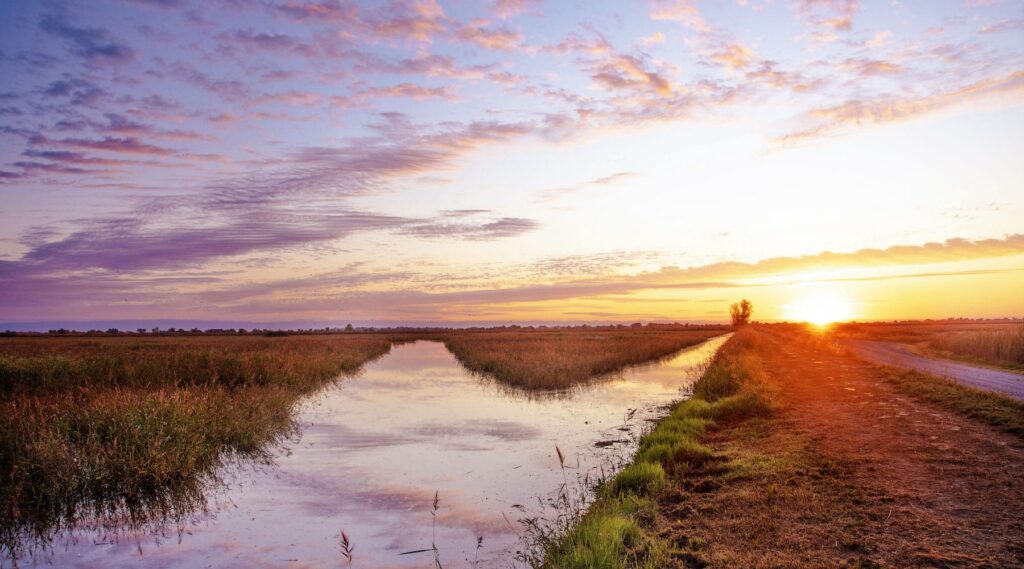
Photo courtesy of CV-SALTS
The stakes are always high in the Central Valley, where the epicenter of California’s agricultural economy encompasses 40% of the land mass of the state and provides 25% of the nation’s food. Where there are challenges, you’ll find ACWA member agencies working within collaborative efforts to find a solution. One of those challenges is addressing nitrate accumulations in groundwater from historical and ongoing discharges stemming from accepted agriculture, municipal and industrial activities. ACWA member agencies belong to a broad-based initiative working on this challenge through an effort better known as CV-SALTS.
History
In 2006, the Central Valley Regional Water Quality Control Board initiated a forward-thinking and collaborative stakeholder initiative known as Central Valley Salinity Alternatives for Long-Term Sustainability – CV-SALTS – to develop a Central Valley-wide Salt and Nitrate Management Plan (SNMP).
The SNMP complied with the requirements in the State Water Resources Control Board’s Recycled Water Policy. Stakeholder membership included representatives from regional and the state water boards along with agriculture, municipalities, industry, water supply, environmental justice, state and federal regulatory agencies, as well as the public. Today it provides a comprehensive regulatory and programmatic approach for the sustainable management of salts and nitrate in groundwater and surface water.
How it Works
The Central Valley’s Basin Plans were amended to include the Nitrate Control Program through the establishment of management zones. In general, a management zone consists of multiple permittees from various sectors working collectively to first ensure safe drinking water, then to achieve balanced loadings within the management area, and ultimately to develop a long-term plan for managed restoration of groundwater to meet applicable water quality objectives. The Nitrate Control Program is an innovative, collaborative approach because it shifts from traditional one-size-fits-all regulations to a flexible, community-driven model that prioritizes public health.
The Nitrate Control Program also establishes a long-term management strategy for addressing nitrate pollution in the Central Valley’s drinking water aquifers. Nitrate at high levels can reduce the blood’s ability to carry oxygen, which can result in brain damage and death. Infants and pregnant women are most at risk of nitrate toxicity.
High resolution groundwater quality mapping was conducted for the Central Valley floor and was the basis for prioritizing nitrate management in the identified basins. There are multiple management zones funded by permitted dischargers from various industries, including irrigated agriculture, dairy, oil and gas, publicly-owned treatment works, wine, poultry and food processors.
Management zones have worked diligently to provide safe drinking water to households since 2021. Safe, free bottled water delivery sounds like an easy sell, but management zones face multiple challenges as they conduct outreach and encourage domestic well owners to apply to the program. Some challenges include limitations on personal interactions and public gatherings; the lack of internet access in some areas; a lack of awareness about water quality problems; language and cultural barriers; and distrust of government or “free” programs.
Applying Outreach
Management zones use dozens of outreach methods, learning what works and what doesn’t and regularly implementing new approaches, adapting to local needs to reach thousands of potentially affected households. These management zones remain keenly aware that the best results will come through word of mouth and good relationships with local communities. To reach as many people as possible, they are leveraging the power of personal connection and asking for help from local officials, leaders, educators, influencers and reporters. This includes bilingual content and access to Spanish-speaking staff every step of the way.
Management zones have provided assistance such as free domestic well testing, interim safe drinking water through bottled water delivery, and free water fill stations available to residents with nitrate impacted domestic wells who are not connected to a public water system.
Since inception, 4.7 million gallons of clean water have been distributed to more than 2,300 households; 3,800 domestic wells have been tested to determine if nitrate levels exceed the applicable drinking water standard. Their collective progress to date is shown on a dashboard available online at cvsalinity.org.
“Effective water management and the provision of safe drinking water for Central Valley residents requires more than just technical solutions; it requires broad, stakeholder-driven collaboration,” said David Cory, Board Director of the Grasslands Drainage District, member of the San Luis & Delta Mendota Water Authority and Chair of the Central Valley Salinity Coalition. “The CV-SALTS initiative is a primary example of past and ongoing stakeholder efforts that implement the Salt and Nitrate Control Program. Key efforts for this initiative involve numerous ACWA member agencies and projects including, the San Luis & Delta-Mendota Water Authority’s Grasslands Bypass Project that helps manage salinity in the basin.”
“Collaboration on salinity and nitrate issues enhances the protection of water quality and also support a sustainable and thriving agricultural economy for the entire Central Valley,” Cory added.
Ensuring Access to Safe Drinking Water
Management zones are also working on long-term solutions through inter-organizational collaboration needed to get rural communities safe drinking water, such as accelerating actions to install in-home treatment systems to remove nitrate from domestic drinking water supplies, all while simultaneously implementing new management practices and developing new technologies. Both aim to remove nitrate from discharges that may otherwise leach to groundwater, such as connecting a neighborhood of well-dependent homes to a nearby water system or consolidating smaller water systems to expand their capacity.
Management zones facilitate the finding of long-term drinking water solutions for rural communities within their service areas. This includes working with nitrate-impacted rural communities to explore what solutions will work for their area. Such collaboration involves county governments, water systems, area residents, local nonprofits and others. It is the kind of partnership ACWA members are practiced at and understand the value of.
Ultimately, the Nitrate Control Program recognizes the complexity of addressing nitrate issues and takes a realistic phased approach, which includes providing safe drinking water to residents in the Central Valley while the program is being implemented. It also underscores the value and importance of collaboration amongst agencies, industry, agriculture and regulatory agencies.

Investing in Water is Investing in California
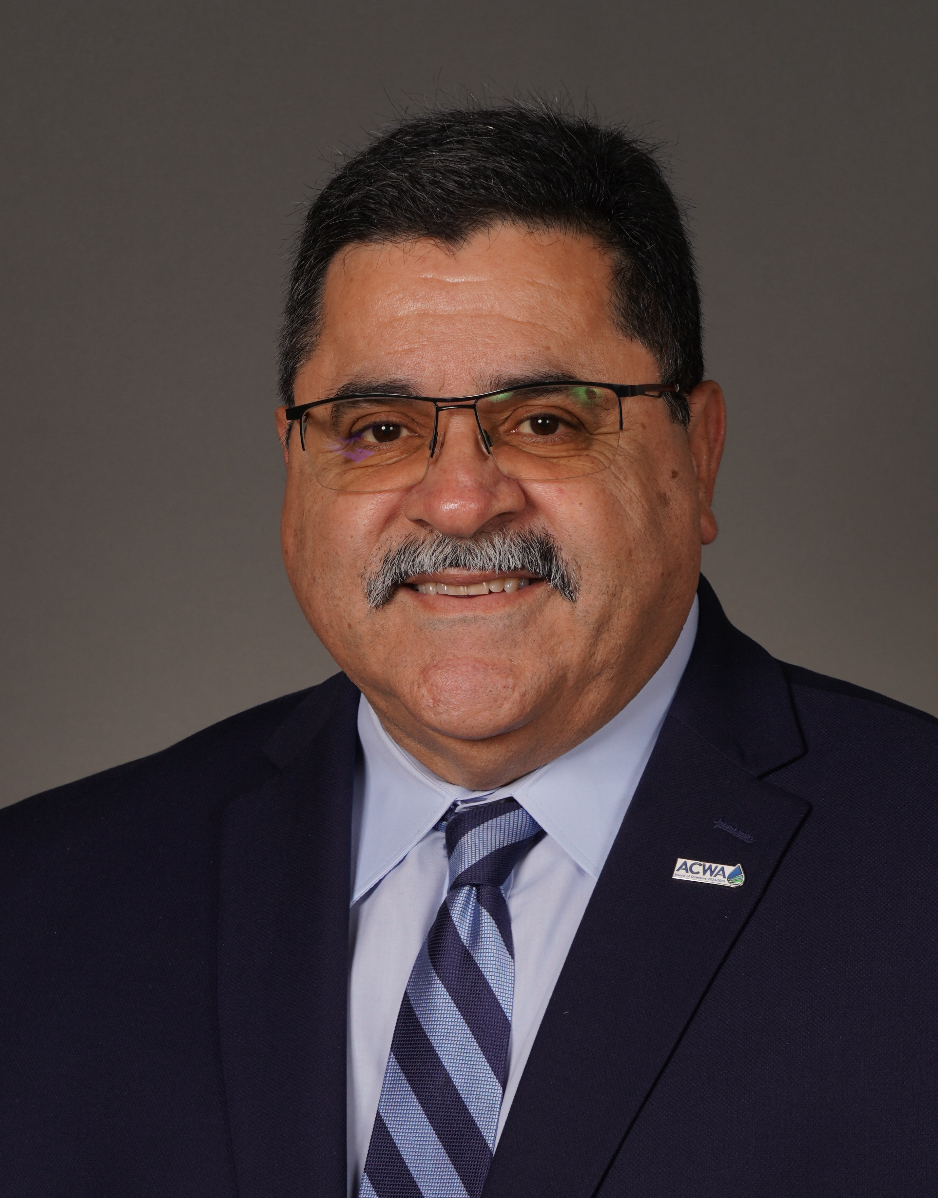 Water is more than a resource — it is the foundation upon which California’s future will be built. No one knows this more than ACWA members. Every major challenge facing our state, from housing affordability and economic growth to food security and wildfire resilience, depends on reliable water supplies and modern water infrastructure. When California invests in water, it invests in statewide solutions.
That reality is at the heart of ACWA’s Vision for Our Water Future initiative. Over the past several months, ACWA members and coalition partners from across California have come together around a simple but powerful idea: a strong water future is essential to a strong California future.
As we look ahead to the 2026 gubernatorial election, with Steve Hilton and Xavier Becerra advancing, we know when our next governor prioritizes a reliable water supply and infrastructure, they unlock the solutions to our state’s most pressing challenges.
The Vision for Our Water Future initiative was designed specifically for this moment. It provides a clear, actionable framework for the next administration to strengthen water reliability for communities and agriculture, modernize infrastructure, support environmental stewardship and ensure affordability for the people and businesses that depend on California’s water system every day. It is not a wish list. It is a roadmap built on decades of experience and the collective expertise of water leaders throughout the state.
ACWA has spent the past few months engaging with gubernatorial candidates and their teams, introducing them to the Vision and reinforcing the importance of water as a cornerstone issue for California’s future prosperity. These conversations have highlighted a growing recognition that water is not a standalone policy issue, it is interconnected with nearly every priority the next governor hopes to achieve.
What makes water such a powerful issue is its ability to transcend political divides. Every Californian depends on safe, reliable and affordable water. Every community benefits from resilient infrastructure. Every business and industry relies on a dependable water supply to succeed. Water is California’s ultimate unifier.
In the months ahead, ACWA will continue working to ensure that water remains front and center in the gubernatorial conversation. We are grateful for the growing number of ACWA members, organizations and coalition partners that have joined this effort and helped amplify the Vision’s message.
Together, we have an opportunity to help shape the future of California. By advancing a shared vision for water, we can provide the next governor with the tools, partnerships and policy framework needed to secure a more resilient, prosperous and sustainable future for generations to come.
WVWD Produces First-Ever In-House Consumer Confidence Report
WALNUT – Walnut Valley Water District (WVWD) has successfully completed its 2025 Consumer Confidence Report (CCR), marking the first time in District history that the annual water quality report was developed entirely in-house.
The CCR is an annual publication required by the State of California and the U.S. Environmental Protection Agency that provides customers with information about their drinking water quality, water sources, treatment processes, testing results, and regulatory compliance.
Historically, the District utilized outside consultants to assist with the design and production of the report. For the 2025 report, District team members leveraged their expertise to complete the project internally, resulting in cost savings for the District while maintaining a high-quality, professionally designed publication that meets all state and federal reporting requirements.
The project was led by Senior External Affairs & Sustainability Coordinator Stephanie Fu, who managed the report’s content development, graphic design, layout, and production. To ensure the report accurately reflected the District’s operations and water quality performance, team members from the Operations, Water Quality, and Engineering departments collaborated to compile testing data, infrastructure information, regulatory updates, and operational insights.
This cross-departmental effort transformed complex technical information into an engaging and easy-to-understand resource that helps customers better understand where their water comes from, how it is treated and monitored, and the investments being made to maintain a safe and reliable water system.
Producing the report internally not only reduced consultant costs but also provided greater flexibility to customize the report’s design, enhance educational content, and incorporate customer-focused graphics and resources. The project reflects the District’s commitment to innovation, transparency, fiscal responsibility, and continuous improvement.
The 2025 CCR is available online in both English and Mandarin at https://walnutvalleywater.gov/your-water/your-drinking-water/water-quality/.
ACWA Accepting Applications for 2026 Fall Awards
ACWA is now accepting applications for fall awards, the winners of which will be announced at the 2026 Fall Conference in Anaheim. The award program is an opportunity to recognize and celebrate innovative agencies and exceptional water leaders.
Excellence in Innovation Award
This award recognizes successful innovations by member agencies that continue to support and drive California toward long-term water resilience. Sponsored by CDM Smith, the award recognizes groundbreaking and unique programs, projects, practices and/or technologies implemented by ACWA member agencies.
The winning agency and award finalists will share their innovations on a panel during ACWA’s Fall Conference. In addition, the winning agency will receive $5,000 to create a video highlighting their innovation.
More information about this award, including complete eligibility guidelines and the entry form, is available on ACWA’s website. The application deadline is Sept. 1.
Excellence in Communication Award
The Huell Howser Excellence in Communication Award honors outstanding public water agency efforts in communicating important information to customers, legislators, media, the public and others. The award focuses on projects and programs that quantifiably meet an agency’s public information, communications or outreach goals in an innovative way while making effective use of available resources.
More information about this award, including complete eligibility guidelines and the online application, is available on ACWA’s website. The application deadline is Sept. 1.
Emissary Award
The John P. Fraser Emissary Award honors individual ACWA member volunteers who have made remarkable and visible contributions to the enhancement, protection or development of water resources in California by participating in, supporting and advancing ACWA’s mission and goals.
More information about this award, including complete eligibility guidelines and the nomination form, is available on ACWA’s website. The nomination deadline is Sept. 1.
Outreach Awards
Throughout the year, ACWA asks its members to take action on important legislative and regulatory issues, helping create a coalition that directly affects the outcomes of numerous decisions and advances the association’s legislative and regulatory agenda. ACWA’s Outreach Awards recognize the most active member agency in each region, as well as an overall winner and winners in three special outreach categories.
More information regarding regional and overall outreach awards is available on ACWA’s website. The application deadline is Oct. 1.
Questions
For questions regarding the Excellence in Communication, Excellence in Innovation or Emissary awards, please contact ACWA Director of Communications Heather Engel at (916) 669-2387.
For questions regarding the ACWA Outreach awards, please contact Senior Regional Affairs Representative Jennifer Rotz at (916) 669-2373.
Yuba Water Colgate Penstock Incident Response and Recovery (video)
Earlier this year, the rupture of Yuba Water Agency’s penstock pipe marked one of the most significant challenges in the agency’s modern history.
In addition to causing extensive damage to critical infrastructure, the incident has reduced water delivery and hydroelectric generation capacity, affecting revenue that supports flood risk reduction, environmental stewardship and other critical community investments.
In a new video update, Yuba Water General Manager Willie Whittlesey reflects on the impact of the incident, the progress made to date and the agency’s ongoing commitment to restoring facilities and services for the benefit of Yuba County and the broader region. Watch the video, “Yuba Water: Colgate Penstock Incident Response and Recovery” on YouTube, Vimeo or on the agency’s recovery website.
Sacramento Region Releases Watersheds Climate Resilience Plan
SACRAMENTO — The Regional Water Authority (RWA) and regional partners have completed the American, Bear, and Cosumnes Watersheds Resilience Plan, a new climate resilience strategy that evaluates how climate change is expected to affect water supplies, flood risk, ecosystems, infrastructure, and communities across one of California’s most important watershed systems.
Funded by the California Department of Water Resources through the State’s Watershed Resilience Pilot Program, the Sacramento region was selected as one of five pilot regions statewide to help develop watershed-scale climate resilience planning approaches that could inform future implementation efforts across California.
The plan examines the interconnected American, Bear, and Cosumnes river watersheds, which support more than 2 million people, provide approximately 8 percent of California’s developed water supply, and contribute important flows to the Sacramento-San Joaquin Delta.
The plan combines climate modeling, vulnerability analysis, equity assessment, and stakeholder engagement to evaluate how climate change could reshape the region over the coming decades and identify actions that can help communities and ecosystems adapt.
Among the plan’s key findings for the Sacramento region:
- Critical snowpack that feeds these watersheds could decline by approximately 60% by mid-century
- Snowmelt is projected to occur two to four weeks earlier
- Extreme heat days over 95 degrees could increase by roughly 20 days annually
- Wildfires are projected to become 17% more frequent
- Extreme precipitation events could become 15% more intense
- Peak flood flows could increase by approximately 19%
The plan also finds that climate impacts will not be experienced equally. Lower-income communities, Tribal communities, and outdoor workers may face greater exposure to extreme heat, flooding, wildfire smoke, and economic disruption.
“The science is clear that climate change is already reshaping our watersheds,” said Jim Peifer, Executive Director of the Regional Water Authority. “The question is no longer whether these impacts are coming, but how quickly the region can act to prepare. This plan gives the Sacramento region a shared framework to move from vulnerability assessment to implementation—and positions regional partners to move quickly as funding and project opportunities emerge.”
In addition to identifying climate vulnerabilities, the plan outlines 19 watershed adaptation strategies and 119 potential adaptation actions focused on reducing long-term risks associated with drought, flooding, wildfire, and extreme heat.
The plan also establishes a decision-making framework intended to help agencies and partners evaluate and prioritize future resilience investments based on factors such as regional benefit, climate risk reduction, ecosystem improvements, equity considerations, and implementation readiness.
Strategies identified in the plan include reducing wildfire risk and improving forest health in the Sierra headwaters, strengthening flood protection for vulnerable communities, expanding groundwater recharge, protecting cold-water habitat for salmon and other native fish species, expanding flood forecasting and early warning systems, and advancing regional projects that provide multiple water supply, ecosystem, and community resilience benefits.
“For more than two decades, DWR has encouraged Californians to connect across watersheds,” said Karla Nemeth, Director of the California Department of Water Resources. “A warmer climate stresses resources from forests to aquifers. That makes the hard work of collaboration more important than ever. DWR’s $2 million grant to the Regional Water Authority yielded a plan that tells a powerful story about future risks and marks a clear path to resilience. This plan positions the people of the American, Bear, and Cosumnes watersheds to cope with a changed climate. It is an early example of the kind of work needed across the state, and it helps build DWR’s momentum to update the California Water Plan to deliver more precise, localized, and action-oriented water supply strategies.”
The planning effort was led by the Regional Water Authority with support from Jacobs, Valley Vision, Khadam Consulting, the Water Forum, regional water agencies, local governments, Tribal representatives, community organizations, and Watershed Network participants.
“The region already has many of the partnerships, technical tools, and local initiatives needed to strengthen resilience,” Peifer said. “This plan helps align those efforts and creates a clearer path forward for coordinated regional action.”
The full American, Bear, and Cosumnes Watersheds Resilience Plan is available at:
https://rwawatershedsresilience.com/plan/
The Regional Water Authority (RWA) is a joint powers authority representing nearly two dozen water providers serving 2.2 million people in the greater Sacramento region. Formed in 2001, its primary mission is to help its members protect and enhance the reliability, availability, affordability, and quality of water resources. Learn more at rwah2o.org.
East County Students Win College Scholarships From Helix Water District
LA MESA – Two east county students, Grossmont High School graduate Saoirse O’Boyle and El Cajon Valley High School graduate Marcus Matyos, received $2,000 college scholarships from Helix Water District at the district’s June 17, 2026 board meeting.
O’Boyle, who plans to major in psychology, was Mustering Petty Officer in Grossmont High’s Navy Junior Reserve Officer Training Corps platoon, responsible for teaching new cadets and maintaining the platoon’s readiness. She received the Senior Naval Science Instructor Award for leadership and military knowledge, and the Distinguished Cadet Award for the highest grade-point-average in her platoon.
Matyos, who plans to major in business administration, was recognized as a Mission Fed Credit Union CIF San Diego Section Scholar Athlete in both football and basketball. He started his own business when he was 15 years old, painting address numbers on curbs to make homes easier to find for emergency services and deliveries. He successfully grew the business and taught his younger brother how to do it, too.
Helix scholarships are $2,000. The Robert D. Friedgen Scholarship was established upon his retirement in 1998, after serving as the district’s general manager for 19 years. Friedgen provided the seed money and the board and others contributed additional funding. The Dr. Lillian M. Childs Scholarship was started by the Helix board in 1999 to honor Ms. Childs upon her retirement from the board and recognize the 20 years of service and leadership she had given to the district.
Applicants must live in the district’s service area, have excellent academic standing and excel in community service and extracurricular activities.
Helix Water District serves San Diego’s east county suburbs, treating water for 500,000 people and distributing water to 278,000 residents in La Mesa, El Cajon, Lemon Grove, Mt. Helix, Spring Valley and other unincorporated areas.